OEM Kitchen Hardware: From Drawing to Container — How the GST Process Works
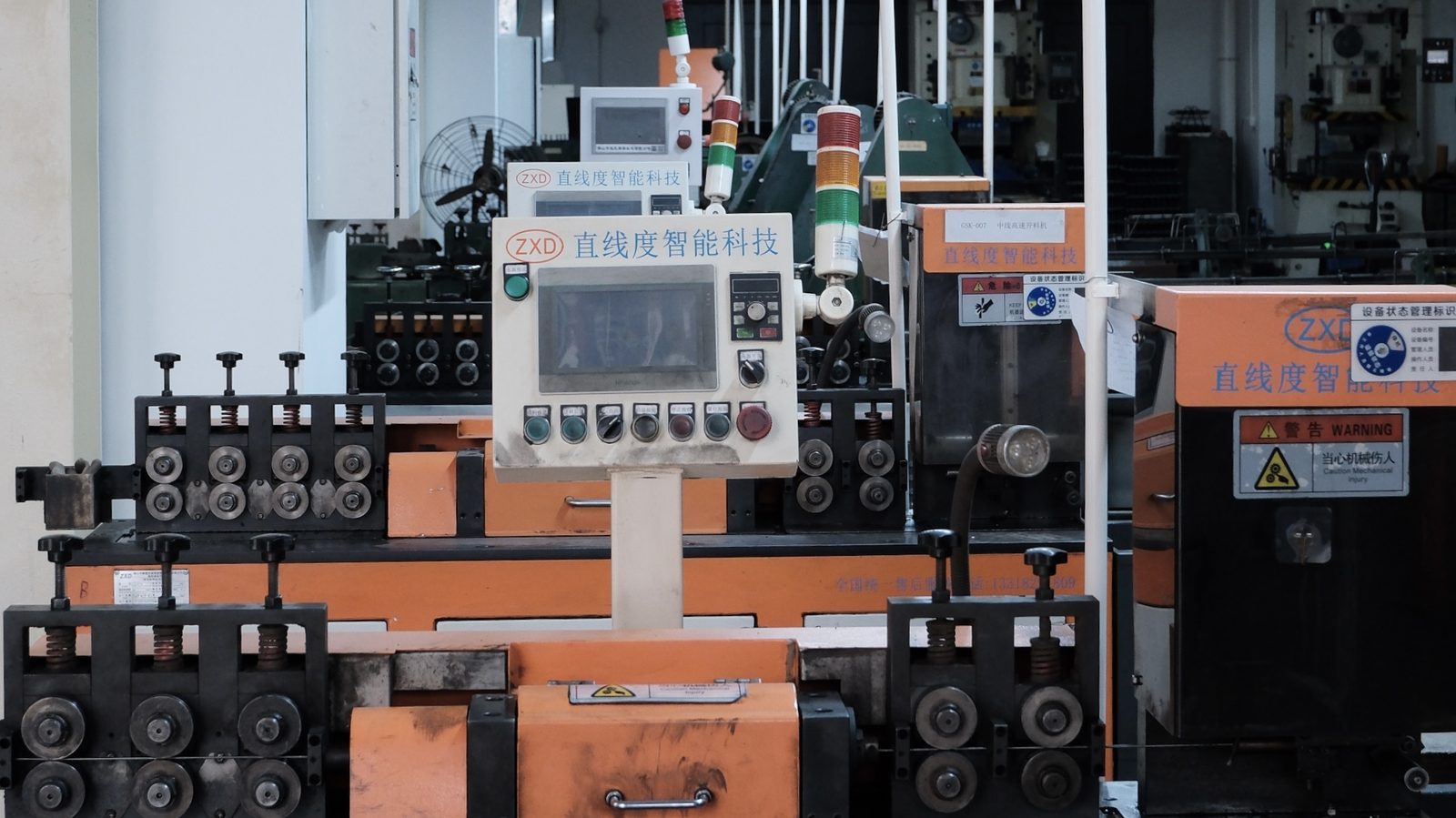
OEM kitchen hardware sounds simple — send a drawing, get a container. In practice the difference between a smooth program and a delayed one is decided in the first two weeks. Here is how the process works at GST, step by step.
Step 1 — Specification
You send either a sample, a drawing, or just the cabinet carcass sizes (internal width, depth, door thickness). Standard European carcass widths of 600/700/720/750/800/900mm map to standard basket sizes — see our size chart. We confirm material (chrome-plated steel, SUS304, aluminum), wire gauge, slide type and finish.
Step 2 — Sampling
We produce a pre-production sample for approval. Because wire forming, plating and polishing are all in-house, sampling does not wait in another factory\u2019s queue.
Step 3 — Tooling and production
For custom dimensions we adjust jigs and fixtures in-house. Production runs on four lines in our 10,000+ square meter Zhongshan plant, with per-batch inspection under ISO 9001.
Step 4 — Surface treatment
Electroplating, electrolytic polishing (for stainless steel) or powder coating — all in GST-owned facilities. This is why repeat orders match the first order\u2019s finish, batch after batch.
Step 5 — Private label and packaging
Color boxes, polybags, foam trays, brand stickers and printed manuals to your artwork. Many clients run their own brand on GST hardware — private label is standard practice, not an extra.
Step 6 — QC and loading
Final random inspection against AQL, then container loading with mixed-series consolidation if needed — most importers combine drawer baskets, seasoning baskets and magic corners in one 40ft container.
Ready to start? Send your spec to kewang.gst@gmail.com or WhatsApp +86 138 2556 4203 — drawings come back with a quote within 24 hours. More questions? Read our FAQ.